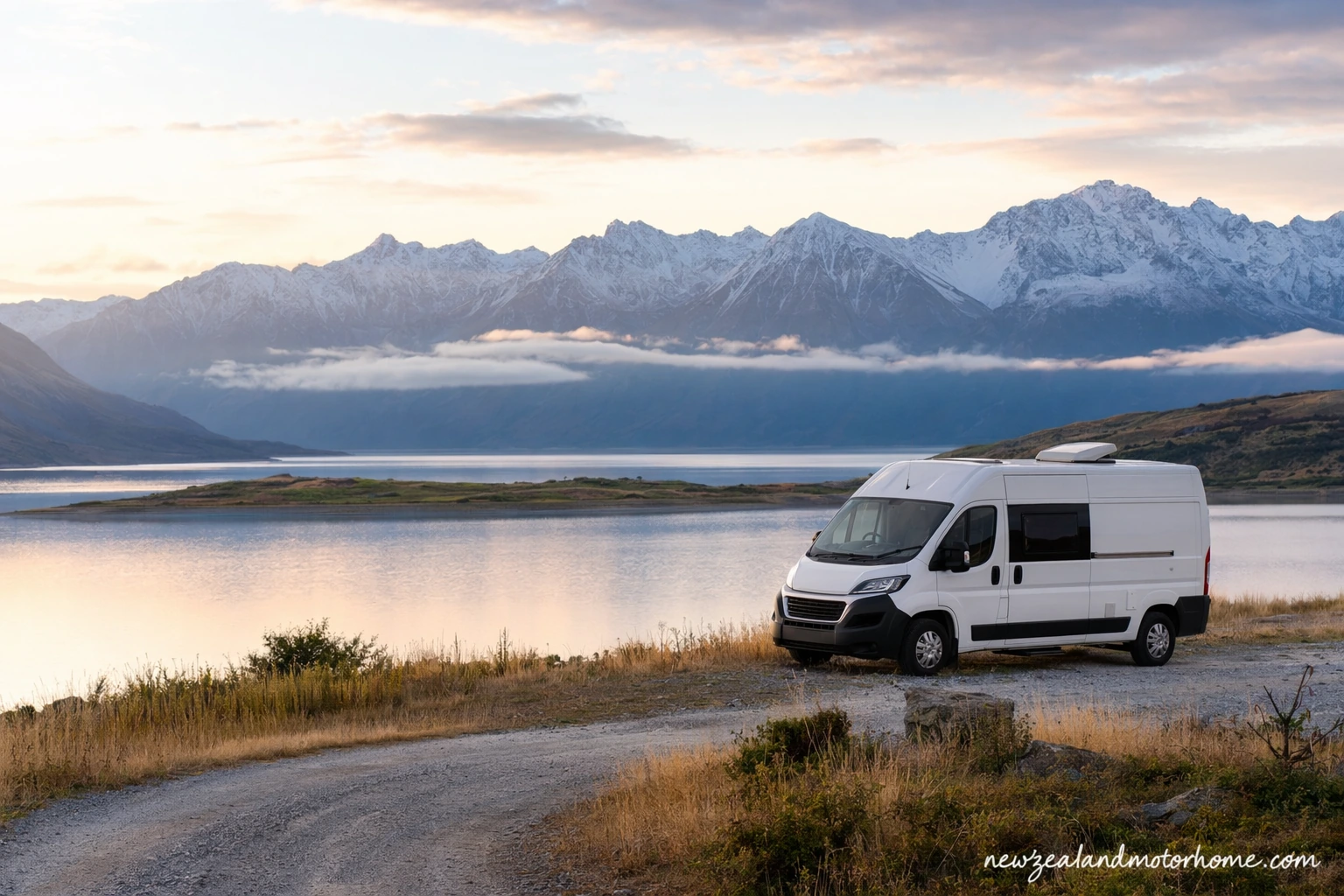
- 21 days / 20 nights
- Auckland to Christchurch works well
- Cook Strait ferry included in planning
- Certified self-contained van recommended
- Best with a mix of powered and unpowered sites
A new zealand both islands 21 day campervan holiday gives you enough time to feel the country change under the tyres: warm northern harbours, geothermal steam, the Cook Strait crossing, alpine passes, glacier country and the wide Canterbury high country. This package is built for travellers hiring a van and sleeping in it each night, not just ticking places off from a car boot.
The shape below is a practical self-drive plan from Auckland to Christchurch, with the ferry, sensible overnight stops, powered-site rhythm, dump-station thinking and driving pace considered together. You still have room to tailor the van, route direction, walks, rest days and campsite style before anything is locked in.
The 21-day route, at a campervan pace
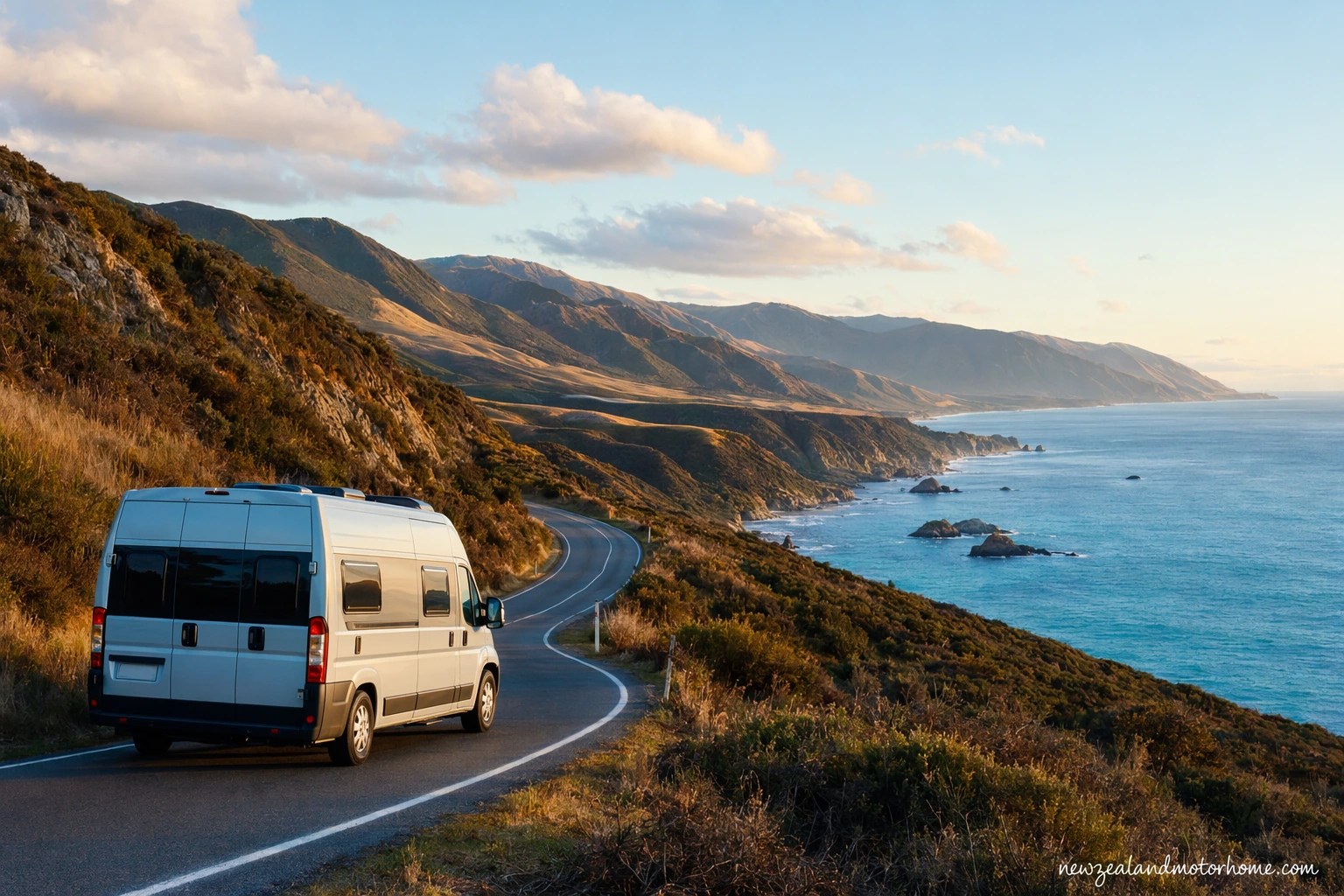
This both-islands package works best as an Auckland to Christchurch open-jaw trip, so you are not spending your last days backtracking. The days are shaped around real campervan distances: slower on winding coastal roads, easier on state highways, and with time allowed for supermarket stops, LPG checks, fresh-water fills and the occasional laundry night.
A typical route runs Auckland, Coromandel or Hobbiton country, Rotorua, Taupō, Tongariro, Wellington, the Cook Strait ferry, Marlborough, Abel Tasman or Nelson, Punakaiki, glacier country, Wānaka or Queenstown, Aoraki/Mount Cook or Lake Tekapo, then Christchurch.
- Days 1–4: collect the van, stock the cupboards, then ease through the upper North Island without rushing the first grocery and campground routine.
- Days 5–9: geothermal Rotorua, Lake Taupō, volcanic plateau roads and a final powered site near Wellington before the ferry.
- Days 10–15: ferry to Picton, then beaches, vineyards, forested passes and the West Coast, with dump stations planned before longer remote stretches.
- Days 16–21: alpine lakes, optional Queenstown time, Mackenzie Country skies and a calm final night near Christchurch before van return.
The van: size, comfort and what we plan around
For this length of trip, most travellers are happiest in a certified self-contained campervan or motorhome with a fixed bed or an easy bed setup, onboard cooking, fridge, toilet cassette or black-water system, and reliable heating for cool South Island nights. A 2-berth is easier in town car parks and supermarket bays; a larger 4- or 6-berth gives families more space but needs more care on narrow campground lanes and older one-lane bridges.
We plan the route with your vehicle length and height in mind. Some scenic detours are perfectly manageable in a compact van but less relaxing in a long motorhome, especially after rain or when roadside pull-offs are small. You will also want to keep an eye on fuel range on the West Coast and through the Mackenzie Basin, where services are further apart than they look on a map.
- Certified self-containment is strongly recommended, and required for many freedom-camping areas.
- Powered sites are worth mixing in every second or third night for charging, heating, hairdryers, laptops and general reset time.
- Unpowered DOC-style nights can be lovely, but only when you are confident on battery, water and toilet capacity.
- Check LPG and fresh water before driving into national-park or coast-road sections where refill options are limited.
Overnight stops, campgrounds and freedom camping
A good 21-day package is not just a line on the map; it is a sequence of places where you can actually park the van overnight without stress. We favour a mix of holiday parks, scenic council or conservation campsites, and the occasional permitted freedom-camping stop where local rules suit your vehicle and travel style.
In busy places such as Rotorua, Taupō, Wellington, Abel Tasman, Wānaka, Queenstown and Tekapo, booking powered sites ahead is usually the calmer choice, especially from late spring through Easter. Around smaller towns, an unpowered site can be a good way to keep the trip flexible, as long as you arrive with water topped up and waste tanks managed.
- Wellington: stay close enough to the ferry terminal that morning traffic does not become the main event.
- Picton or Blenheim: useful first South Island night for restocking, laundry and water after the crossing.
- West Coast: plan dump stations and fuel deliberately; distances feel longer in wet weather and on forested roads.
- Queenstown/Wānaka: avoid assuming you can wing it with a large van in peak periods, as legal overnight parking is tightly managed.
Cook Strait ferry and road-day planning
The Cook Strait ferry is the hinge of the holiday. Your campervan length must be booked correctly, and you need time on either side for check-in, packing cupboards securely and arriving without rushing. On a windy day the crossing can also shift the mood of the trip, so we avoid placing a long drive immediately after you roll off in Picton.
Road days are kept realistic. New Zealand distances can look short, but campervan travel is slower once you include winding roads, viewpoint stops, single-lane bridges, town speed changes and the simple fact that you are carrying your bedroom behind you. The best days in a van often come from driving less and arriving early enough to choose a level site before dark.
- Tongariro to Wellington is a proper travel day, so a powered site at the end makes sense.
- Picton to the upper South Island should be gentle after the ferry, rather than a race to the West Coast.
- Glacier country to Wānaka crosses Haast Pass, a beautiful road that deserves daylight and patience.
- Aoraki/Mount Cook or Tekapo to Christchurch is manageable, but leave time for wind, weather and final cleaning before return.
What the package thinking includes
This is not a rigid escorted itinerary. The package thinking is the useful behind-the-scenes work: route direction, van category, ferry logic, campsite rhythm, seasonal pressure points and where to build in slack. It is designed so you know when to pre-book, when to stay loose, and when the van needs attention before the scenery gets remote.
Depending on your dates and preferences, the plan can bring together the campervan hire, suggested overnight pattern, ferry allowance, route notes, campground style and practical reminders for dump stations, LPG, fresh water and food supplies. If you want help shaping it around your travel month, walking ability, family setup or must-see places, you can talk to us before we refine the route.
- Start and finish city advice based on flight times and depot locations.
- Powered versus unpowered site suggestions by region and season.
- Driving-day balance so the trip still feels like a holiday.
- Notes on weather-sensitive roads, alpine passes and high-demand campground towns.
Ways to tailor your both-islands trip
Twenty-one days is generous, but it still asks for choices. Some travellers want more North Island geothermal and Māori cultural time; others would rather spend extra nights in Abel Tasman, the West Coast or the Southern Lakes. The route can tilt either way without losing the logic of the ferry and final van return.
Families may prefer fewer one-night stops, powered sites with playgrounds and laundry, and shorter road days after big walks. Couples often choose a smaller van and a few scenic unpowered nights, balanced with holiday parks for showers and battery charging. In winter, the plan changes again: daylight is shorter, alpine roads need more caution, and heating plus campground power become more important.
- Add a rest day in Rotorua, Nelson, Wānaka or Queenstown if you dislike packing up daily.
- Swap Coromandel for Waitomo or Hobbiton country when arrival timing is tight.
- Choose Abel Tasman over Kaikōura if beach walks and water taxis matter more than marine wildlife.
- Keep the final night near Christchurch for an easier clean-out, fuel stop and depot return.
Common questions
Is 21 days enough for both islands by campervan?
Yes, if the route is planned with realistic driving days and a one-way hire. You will not see everything, but you can cover the North Island highlights, the ferry and a strong South Island loop without feeling like every day is just driving.
Should we start in Auckland or Christchurch?
Auckland to Christchurch is a practical direction for many travellers because it gives you a natural north-to-south flow and avoids backtracking. Christchurch to Auckland can work just as well if flights, van availability or season make that easier.
Do we need to book campsites in advance?
Book the key powered sites in popular towns and national-park areas, especially from December to March and around school holidays. You can usually leave some lower-demand nights flexible, but do not rely on freedom camping unless your van is certified self-contained and the local rules allow it.
How often will we need dump stations and fresh water?
Most vans need attention every couple of days, depending on tank size and how many people are travelling. A comfortable plan builds dump stations, fresh-water fills and LPG checks into town stops rather than leaving them until the tanks are urgent.
Is the Cook Strait ferry difficult with a motorhome?
It is straightforward when booked for the correct vehicle length and height. Arrive early, secure loose items inside the van, turn off gas as instructed, and avoid planning a long South Island drive immediately after disembarking.
What size campervan is best for this package?
A compact 2-berth suits couples who value easier parking and lower faff on tight roads. Families or travellers wanting more indoor space may prefer a larger motorhome, but the itinerary should then allow extra time for manoeuvring, campground access and town parking.
Have a planner shape this for your dates
Send a short outline — your dates, party size, and the kind of trip you want. A planner replies with a vehicle recommendation, a paced route, and the realistic budget.