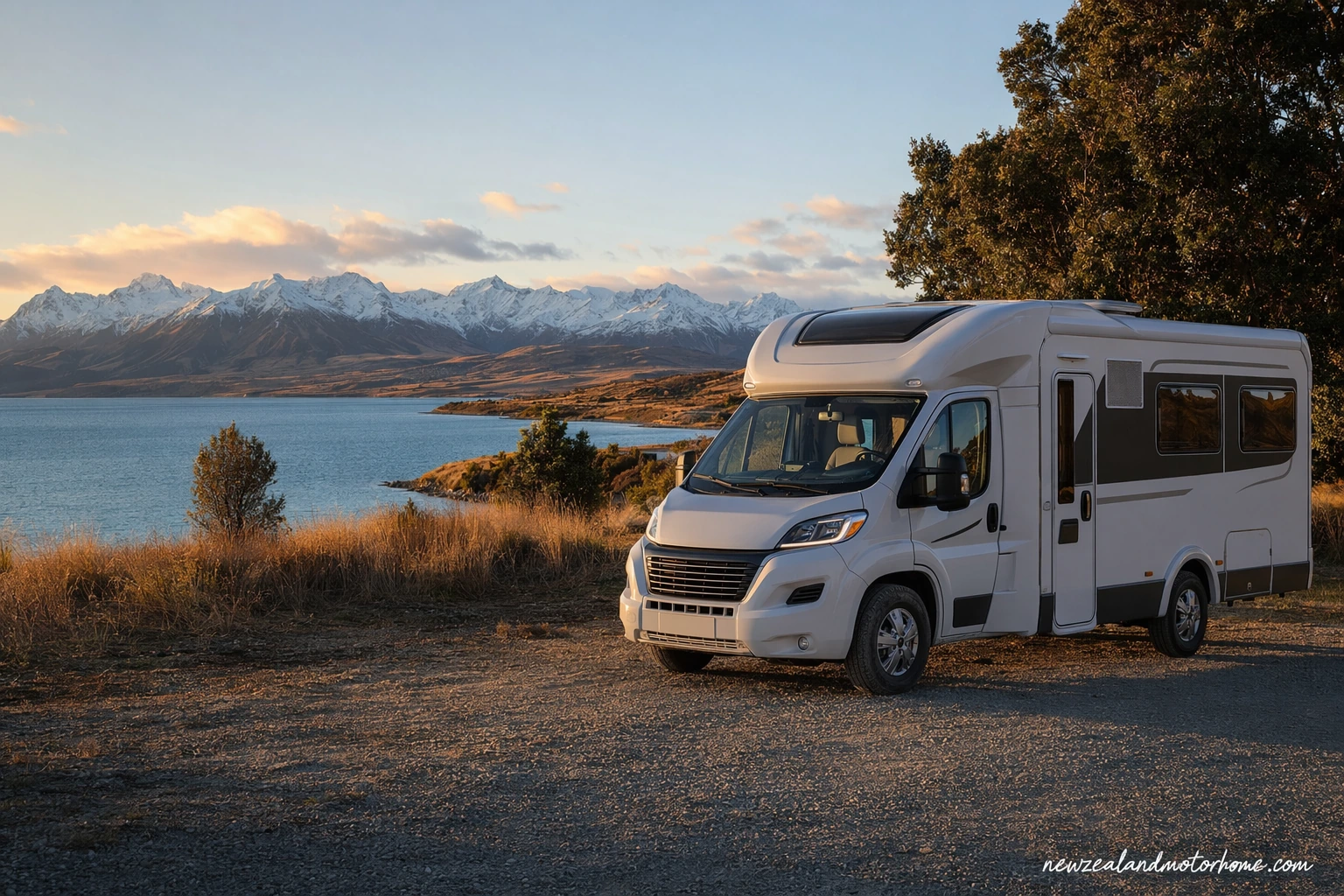
How campervan rental insurance NZ works for self-drive trips
- Check excess and exclusions
- Know van height and length
- Tyres and glass vary
- Use approved dump stations
- Photograph pick-up condition
Campervan rental insurance in NZ is one of those details that feels dull until you are reversing a high-roof van into a tight holiday park site, collecting a stone chip on a gravel approach, or squeezing past a roadside branch on a West Coast backroad. For self-drive travellers, the right cover is not just paperwork; it shapes how relaxed you feel behind the wheel and what happens if the van is damaged.
This guide explains the insurance terms you are likely to see when hiring a campervan or motorhome in New Zealand, how excesses and exclusions usually work, and what to check before you set off. It is written for people driving, parking, sleeping in and servicing their own hired van, with practical notes on campsites, dump stations, water fills, LPG and the everyday situations where insurance questions tend to pop up.
What campervan rental insurance usually covers
Most campervan and motorhome hire agreements in New Zealand include a base level of vehicle cover, but the details vary. You will normally see a liability excess, which is the amount you may have to pay if the van is damaged, stolen, involved in an accident, or returned with certain types of loss. Optional upgrades may reduce that excess, add windscreen or tyre cover, or include more roadside assistance.
Read the insurance schedule alongside the hire terms, not as a separate afterthought. A motorhome is both transport and accommodation, so damage can happen at the campsite as easily as on the road: awnings, bike racks, roof vents, side mirrors and rear corners all matter.
- Vehicle damage: usually the main part of the cover, subject to the excess and exclusions.
- Windscreen and tyres: sometimes included only on higher cover options, even though gravel chips and punctures are common touring annoyances.
- Overhead and underbody damage: often treated differently, so check bridges, trees, ferry ramps and rough access roads carefully.
- Personal belongings: may not be covered by the van policy; travel insurance is usually the place to check.
Excess, bond and credit card holds
The excess is the amount you may be liable for after an incident; the bond is the security the rental operator may hold while the van is on hire. They are related, but they are not always the same thing. Before you collect the keys, ask how the bond is taken, when it is released, and whether the amount changes if you choose a lower-excess option.
For a campervan trip, the bond can affect your travel cashflow, especially if you are also paying for powered sites, ferry crossings, supermarket shops, fuel, LPG bottle swaps and activities along the way. Make sure the cardholder is present at pick-up if the rental terms require it, and check whether debit cards are accepted.
At handover, take your time. Photograph the van panels, roofline if you can do so safely, windscreen, tyres, hubcaps, mirrors, awning case, rear bumper, toilet cassette door and any existing marks inside the living area. A careful walk-around is not being fussy; it is part of travelling well in a vehicle you will also be sleeping in.
Common exclusions that catch campervan travellers
Insurance exclusions are where self-drive travellers need to slow down and read properly. New Zealand has plenty of sealed touring roads, but a navigation app may still point you towards narrow gravel sections, steep access lanes, beach car parks, ski field roads or farm-style approaches to walking tracks. Your rental agreement may restrict where the van can be driven.
Overhead damage deserves special attention. A high-top campervan or six-berth motorhome is not a car: low branches, service station canopies, motel-style carports, height-restricted car parks and ferry terminal ramps can all be a problem. Know your vehicle height and length before you leave the depot, and write it somewhere visible in the cab if that helps.
- Avoid driving on beaches, riverbeds or unformed tracks unless the rental terms specifically allow it.
- Check whether gravel roads are permitted, and whether any named routes are excluded.
- Do not ignore wind warnings on exposed roads, especially in a tall van crossing bridges or open plains.
- Use a spotter when reversing into tight holiday park sites or freedom camping bays.
- Secure roof vents, cupboards, gas bottles and loose gear before moving off.
How insurance choices affect your route planning
Your insurance decision should match the way you intend to travel. If you are staying mostly at full-service holiday parks, parking on sealed pads, using powered sites and taking main highways between towns, your risk profile is different from a trip that includes remote DOC-style camps, long gravel approaches or frequent freedom camping stops.
Route planning is also about reducing avoidable damage. Choose overnight stops where the van fits comfortably, not just where the view is best. A long motorhome may need a drive-through or wider bay, and a high-roof camper should avoid sites tucked under low trees. When you arrive late, park slowly, get out to look, and use your torch rather than guessing at posts, drains and picnic tables.
Before booking campsites, check what you need for the van: powered or unpowered site, fresh-water taps, dump station access, LPG refill or swap options nearby, and enough turning room. If you want help shaping a route that suits your van size and comfort level, you can use the talk-to-us planning step and tell us what you are hiring, where you are landing, and how you prefer to camp.
Roadside assistance, breakdowns and practical van issues
Insurance and roadside assistance are not always the same thing. Insurance may deal with damage or liability, while roadside assistance may help with a flat battery, lockout, mechanical fault, tyre problem or a van that will not start after a cold night at an unpowered site. Check what number to call, whether after-hours support is included, and what you must do before arranging repairs.
Campervan issues can be simple but disruptive. Running the house battery too low, leaving the fridge on the wrong setting, forgetting to switch off lights, or discovering the gas bottle is empty can change an evening quickly. These are not always insurance events, but they are part of van travel, so plan service stops into your route.
- Refill fresh water before remote nights, especially if you are using the shower and toilet on board.
- Empty the toilet cassette and grey-water tank at approved dump stations only.
- Check LPG levels before cooler regions or multi-night freedom camping stretches.
- Use powered sites every few nights if your van set-up relies on charging devices, heaters or fridge support.
- Keep the rental operator’s instructions handy for fuses, gas, water pump and battery panels.
Before you collect and before you return the van
At pick-up, ask the depot staff to explain the insurance excess, what is excluded, what to do after an accident, and whether police or incident reports are required. Also ask them to show you the fuel type, AdBlue if relevant, LPG shut-off, water fill, wastewater outlet, toilet cassette, battery panel and any height-warning label. The best insurance choice is easier to make when you understand the actual vehicle.
On return day, allow time for a proper tidy-up rather than arriving flustered. Fill fuel as required, empty grey water and the toilet cassette at an approved dump station, remove rubbish, refill LPG or water if your agreement asks for it, and check cupboards for travel damage. If something has happened, be upfront and provide photos, dates, locations and any reference numbers.
Small habits help avoid disputes: keep receipts for authorised repairs, note campsite incidents while they are fresh, and take return photos if you drop the van off outside normal inspection flow. It is not about expecting trouble; it is about finishing your NZ motorhome trip cleanly.
Common questions
Do I need extra campervan rental insurance in NZ?
You do not always need an upgrade, but you should understand the base excess and exclusions before deciding. Many travellers choose a lower-excess option for peace of mind, especially with a larger motorhome, a longer trip, or routes that include narrow roads and frequent campsite parking.
Are tyres and windscreens covered on a hired campervan?
Sometimes, but not always under the standard cover. Check the rental insurance wording carefully, because stone chips, punctures and damaged sidewalls are practical risks on NZ touring roads and campsite access lanes.
Can insurance be voided by freedom camping?
Freedom camping itself is not usually the issue; the problem is where and how you drive or park. If you take the van onto a prohibited beach, soft ground, riverbed, restricted road or unsuitable track, you may breach the hire terms and affect cover.
What should I do if I damage the campervan at a campsite?
Stop, photograph the damage, note the location and contact the rental operator as instructed in your hire agreement. Do not arrange repairs yourself unless they authorise it, and get details from any other party if another vehicle or property is involved.
Does travel insurance replace campervan rental insurance?
No, they are different products. Travel insurance may cover medical events, cancellation or personal belongings, while campervan rental insurance deals with the hired vehicle and its excess; some travel policies include rental vehicle excess cover, but you must check whether campervans or motorhomes are included.
Should I choose insurance based on van size?
Van size is a sensible factor. A longer or taller motorhome is more exposed to overhead branches, tight turns, low structures and reversing scrapes, so many first-time drivers prefer a lower excess and more comprehensive roadside support.
Have a planner shape this for your dates
Send a short outline — your dates, party size, and the kind of trip you want. A planner replies with a vehicle recommendation, a paced route, and the realistic budget.