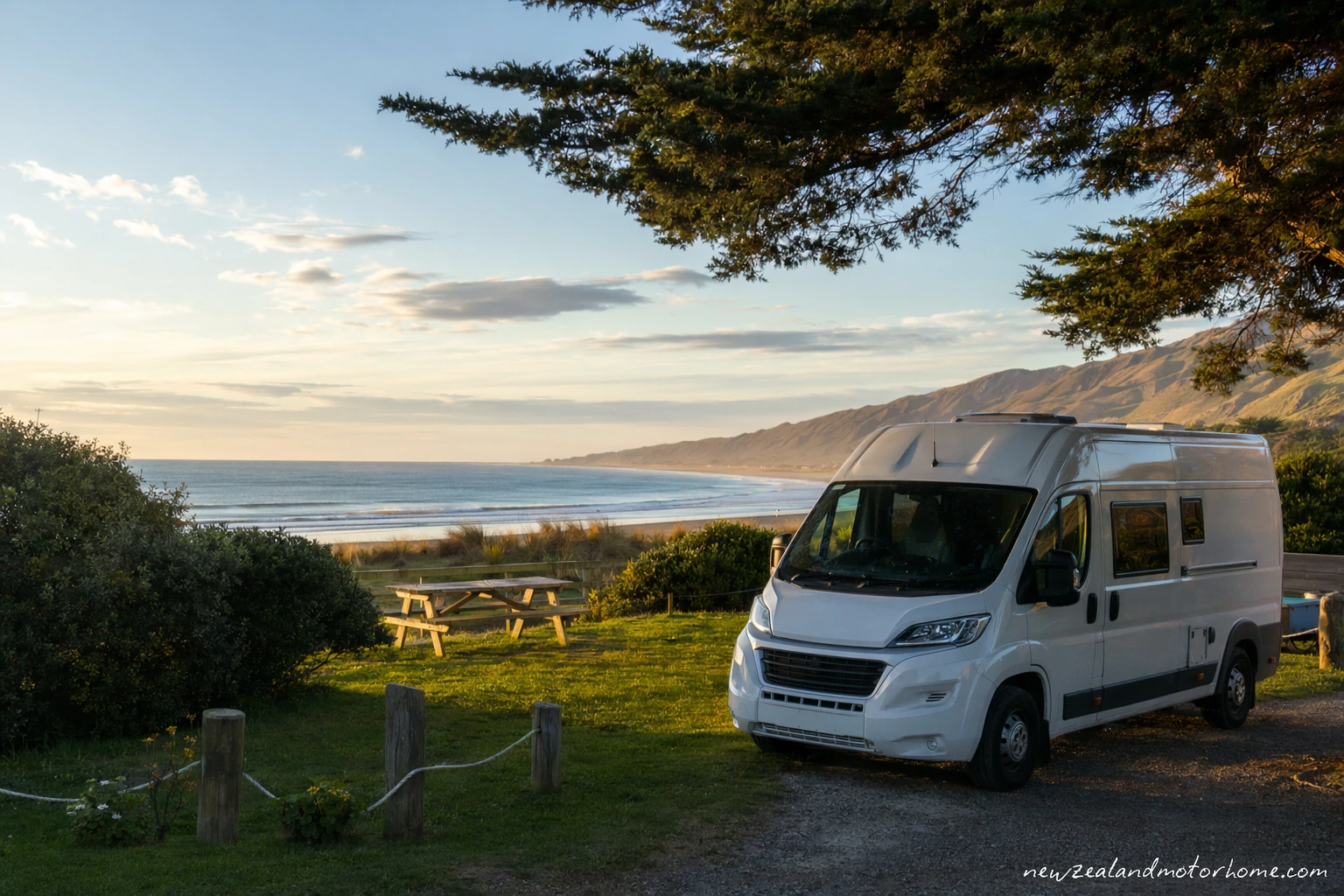
- Best base: Ahipara, Waipapakauri or Pukenui
- Allow 2-3 nights for the Far North
- Avoid beach driving in hired vans
- Powered and unpowered sites nearby
- Plan dump, water and LPG in advance
Ninety Mile Beach feels wonderfully remote from the cab of a campervan: long west-coast light, wind-combed dunes, and small Far North settlements where you can slow the day right down. For most self-drive travellers, the best way to experience it is not by taking the van onto the sand, but by choosing a practical holiday park base near Ahipara, Waipapakauri, Kaitaia, Houhora or Pukenui.
This guide is for campervan and motorhome travellers looking at holiday parks Ninety Mile Beach and nearby surrounds. You will find notes on powered and unpowered sites, dump stations, fresh-water fills, beach parking, road access, and things to do near Ninety Mile Beach without putting your hired van where it should not go.
Choosing a holiday park base along Ninety Mile Beach
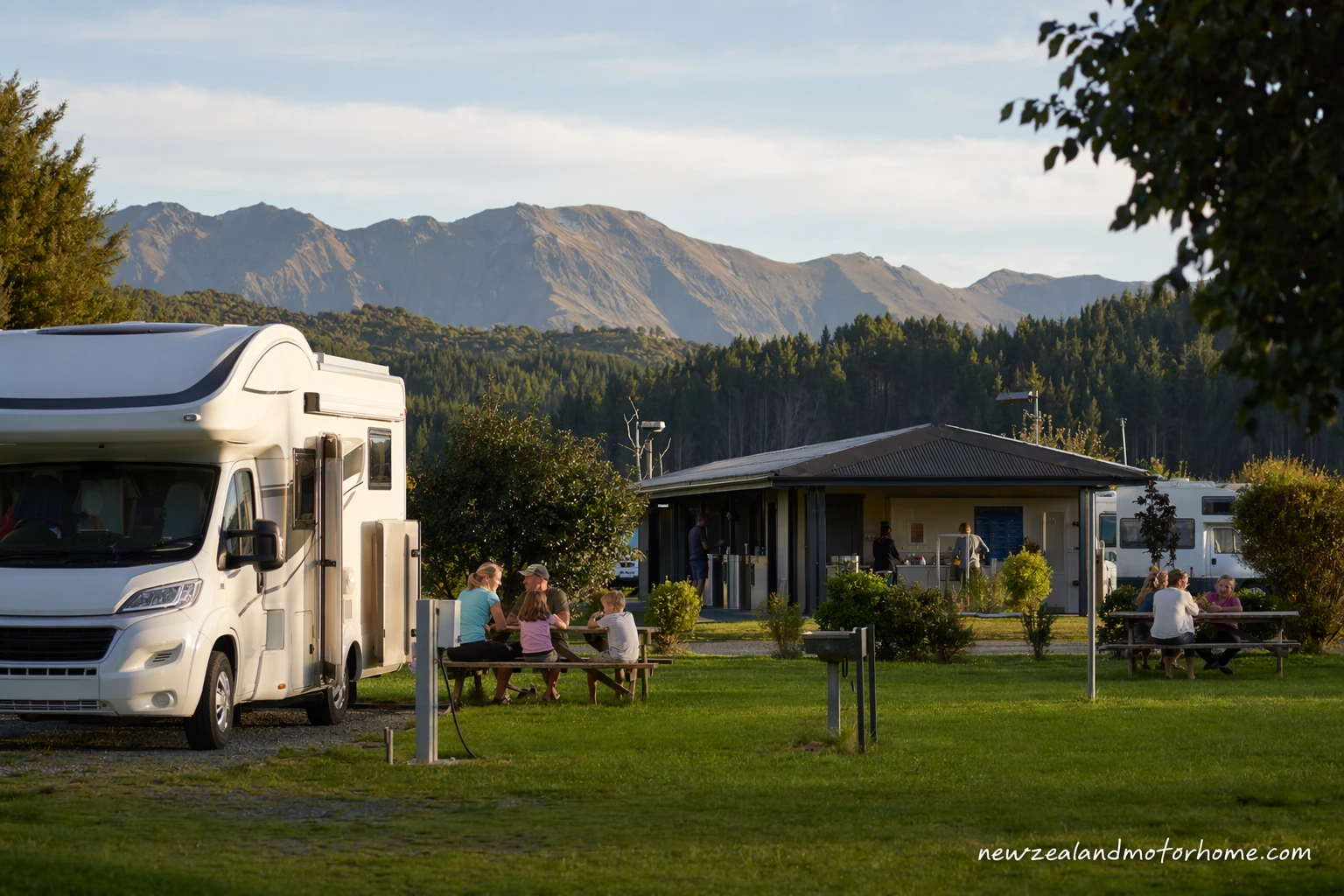
The beach is long, exposed and not lined with services, so your overnight base matters. Ahipara suits travellers who want the southern end of the beach, surf, sunset walks and easy access back to Kaitaia. Waipapakauri and the mid-beach approaches feel quieter and more rural, while Pukenui and Houhora put you closer to Cape Reinga, Te Paki and the harbour side of the peninsula.
If your search starts with a ninety mile beach top 10 holiday park, compare it with smaller independent campgrounds by looking at the van basics first: site length, turning space, dump access and whether the ground is firm after rain. A sea view is lovely, but being able to level the van and empty the cassette without a detour is what makes the stay easy.
- Ahipara: good for the southern beach end, surf, Kaitaia services and relaxed evenings.
- Waipapakauri area: useful for quieter camping Ninety Mile Beach style, with rural access roads and big-sky scenery.
- Pukenui and Houhora: handy for Cape Reinga day trips, fishing harbours and the east-coast side roads.
- Kaitaia: practical for groceries, fuel, LPG and sorting the van before heading further north.
Getting there by campervan and road notes
Most campervans approach Ninety Mile Beach via Kaitaia, then branch to Ahipara, Waipapakauri or further north towards Pukenui. The sealed roads are straightforward in normal weather, but they are still Far North roads: expect narrow sections, farm vehicles, wandering stock in rural areas, and occasional grit or windblown sand near beach approaches.
Do not treat the beach as a road for a hired campervan. Rental agreements commonly exclude beach driving, and the soft sand, tides and salt water can turn a scenic shortcut into an expensive recovery. Use the sealed access roads, park in formed areas, and walk to the sand.
- Allow time: distances look short on a map, but progress slows through settlements and on narrow rural roads.
- Watch height and overhang: check low trees and sloping entrances before committing a larger motorhome.
- Fill before you roam: fuel and LPG options become less frequent north of Kaitaia.
- Avoid beach driving: even self-contained vans are not built for salt, tides and deep sand.
Where to park a campervan for beach access
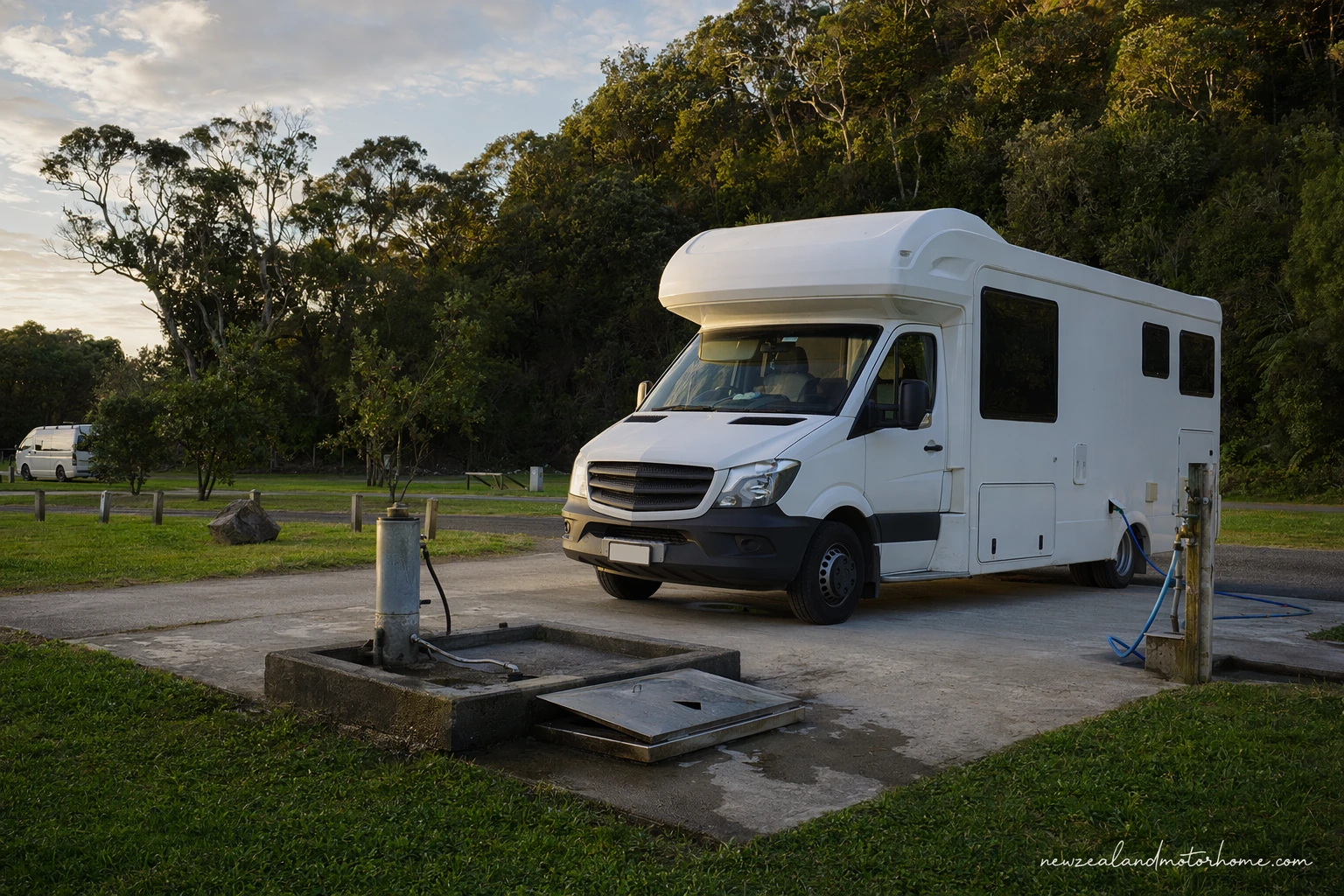
When travellers ask where to park campervan Ninety Mile Beach, the safest answer is almost always: in a formed car park or at your holiday park, then walk. Some beach access points are sandy, rutted or tight, and turning a long wheelbase van around can be awkward if the surface changes under you.
At Ahipara, use sealed or firm parking near the settlement and keep clear of soft shoulders. Around Waipapakauri and other access roads, stop before the sand if you are unsure, check signage, and avoid blocking boat trailers, farm gates or emergency access. In summer, arrive earlier in the day if you want easier manoeuvring space.
- Park nose-out where sensible: it makes leaving easier if the car park fills around you.
- Keep off dunes: they are fragile, culturally significant in places, and not a parking area.
- Check the surface on foot: if it feels soft under your boots, it is not ideal under a loaded van.
- Respect local signs: freedom camping, beach access and no-parking rules can change by area and season.
Powered sites, unpowered sites and van services
Holiday parks near Ninety Mile Beach generally work well for campervans because they give you the practical services the beach itself does not: powered sites, unpowered grass sites, showers, rubbish disposal, water and often a dump station. If you are travelling in a larger motorhome, ask about site length and turning room before you book, especially in peak summer.
Kaitaia is the main place to sort supplies before heading to the coast or further north. It is the sensible stop for groceries, fuel, LPG refills or swaps, and fresh water where available. Some holiday parks have their own dump station for guests, but do not assume public dump access without checking current signage or an official camping app.
- Powered sites: useful in windy or cooler weather when you want reliable heating, charging and fridge support.
- Unpowered sites: fine for self-contained vans with solar, but check water and dump access before settling in.
- Dump stations: plan these into your route; do not leave cassette emptying until you are at a remote beach stop.
- Fresh water: top up in town or at your campground rather than relying on small coastal settlements.
Things to do near Ninety Mile Beach from your campsite
The classic rhythm here is simple: early coffee outside the van, a beach walk before the wind lifts, then a drive to dunes, harbours or the Cape. From southern bases you can explore Ahipara, watch surfers, walk the sand at low tide, or head back into Kaitaia for supplies. From northern bases, Te Paki sand dunes, Cape Reinga and sheltered east-coast bays are easier day trips.
Because the peninsula is long and exposed, avoid overloading the itinerary. Pick one main outing each day and leave room for weather changes. If you would like help fitting holiday parks, dump stops and driving times into a sensible Far North loop, you can use the talk-to-us step and we will shape it around how you actually travel in the van.
- Sunset walks: Ninety Mile Beach is west-facing, so evenings can be the highlight from an Ahipara or Waipapakauri base.
- Te Paki dunes: park in formed areas and keep the campervan away from soft sand edges.
- Cape Reinga: best done as a day trip from a northern holiday park, with fuel and water sorted beforehand.
- Harbour stops: Houhora and nearby bays offer a calmer contrast to the wild west coast.
Common questions
Can I drive my hired campervan on Ninety Mile Beach?
It is not recommended, and many hire agreements specifically exclude beach driving. Use sealed roads and formed parking areas, then walk onto the sand.
Do holiday parks near Ninety Mile Beach have powered sites?
Many holiday parks in the surrounding settlements offer powered and unpowered campervan sites. Check site size, surface and access if you are in a longer motorhome or travelling in peak season.
Is freedom camping allowed around Ninety Mile Beach?
Rules vary by district, season and exact location, and signage should always be followed. You will generally need a certified self-contained vehicle for any permitted freedom camping, and some beach or dune areas are restricted.
Where should I empty my toilet cassette near Ninety Mile Beach?
Use a designated dump station at your holiday park or in service towns such as Kaitaia where available. Plan this before heading to more remote coastal stops, as dump facilities are not spread evenly along the beach.
Which area is best for a first campervan stay near Ninety Mile Beach?
Ahipara is a good first base if you want beach access with Kaitaia services nearby. Pukenui or Houhora works better if your main goal is Cape Reinga, Te Paki dunes and the northern end of the peninsula.
Have a planner shape this for your dates
Send a short outline — your dates, party size, and the kind of trip you want. A planner replies with a vehicle recommendation, a paced route, and the realistic budget.