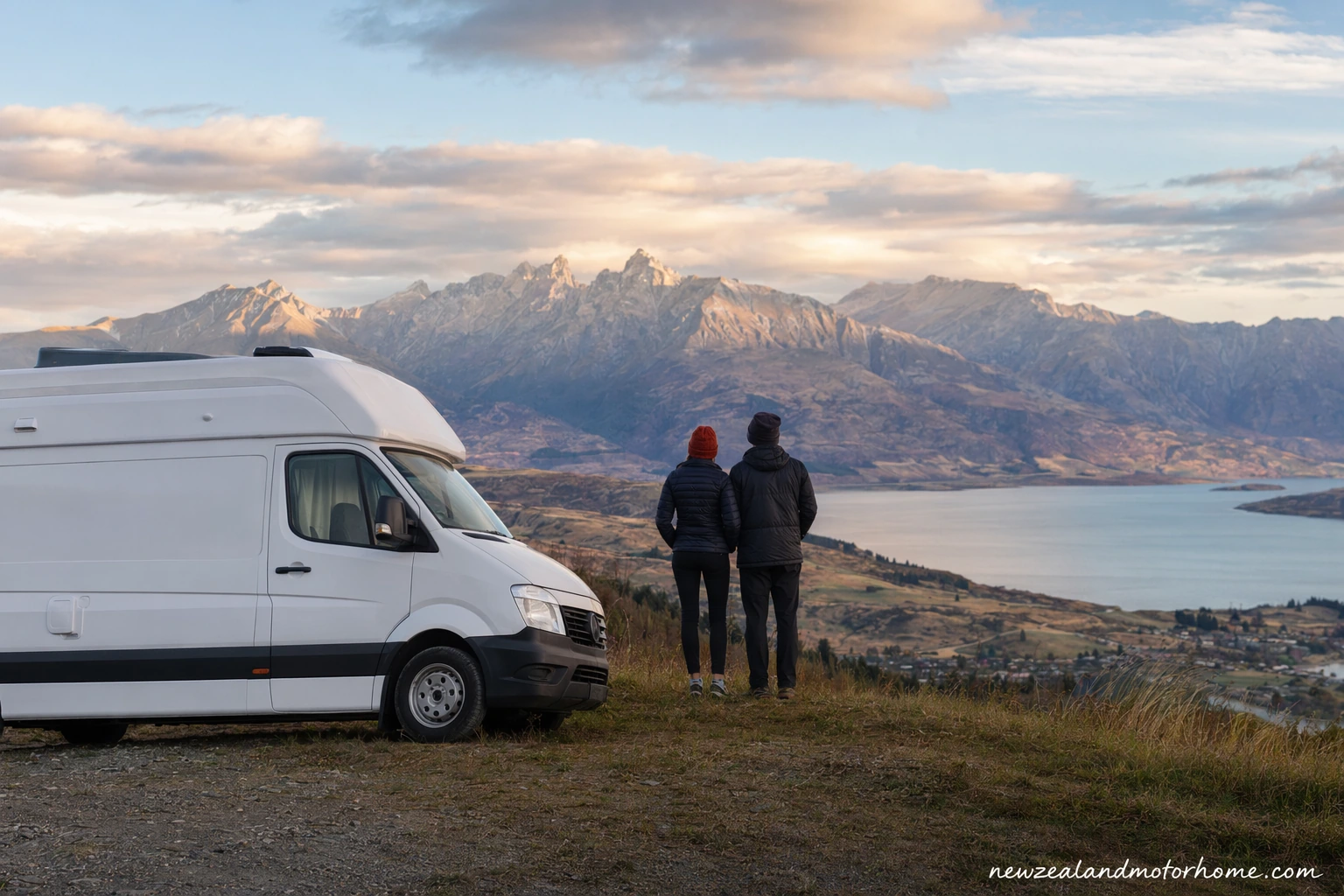
- Best over 14-21 days
- Both islands or tailored short route
- Certified self-contained van recommended
- Powered and unpowered site mix
- Ferry length booking required
This is a packaged self-drive holiday for travellers who want the film locations, but still want the freedom of sleeping in their own campervan each night. Your lord of the rings campervan tour new zealand can link Hobbiton, Tongariro's volcanic country, Wellington's film-making corners, Canterbury's Edoras country and the deep valleys around Glenorchy without rushing the roads in between.
We shape the trip around how a van actually moves through New Zealand: where you can park without blocking a village main street, which nights are better on powered sites, when to empty the grey-water tank, and where longer motorhomes need extra care on narrow rural roads. The result is a route with the big scenes included, but enough breathing room for lake stops, laundry nights and proper meals cooked in the van.
The shape of the journey
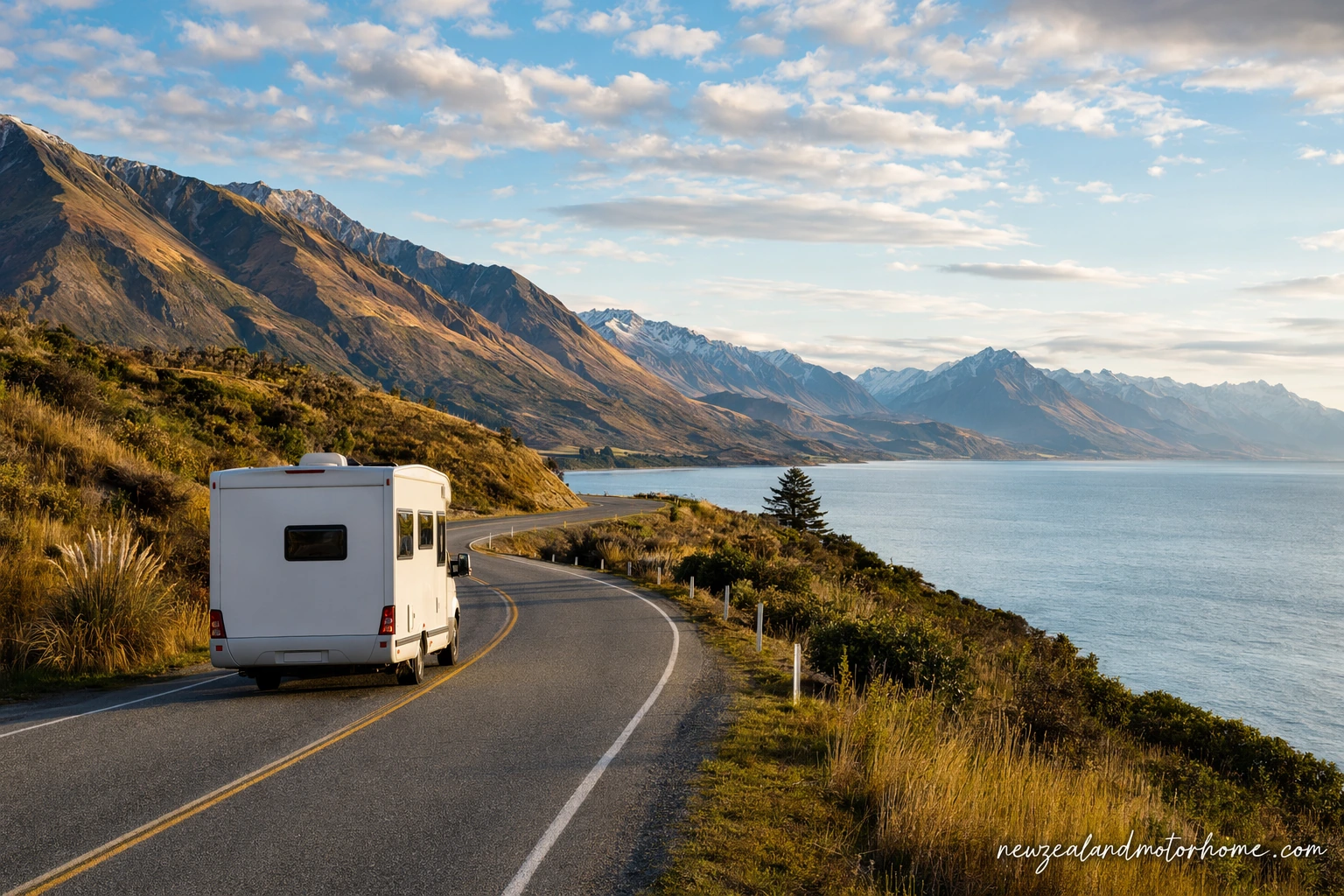
Most travellers allow around two to three weeks for a full North and South Island version. A shorter North Island trip can focus on Hobbiton, Tongariro and Wellington, while a longer package adds the Cook Strait ferry, Canterbury high country and the Queenstown to Glenorchy road.
A comfortable route usually runs Auckland to Rotorua or Matamata, down through Taupō and Tongariro National Park, then to Wellington before crossing to Picton. From there you can travel through Nelson or Kaikōura, continue to Canterbury for Mount Sunday, and finish around Queenstown, Glenorchy and, if time allows, Fiordland.
- Best for: film-location fans who still want a proper campervan holiday, not a race between photo stops.
- Typical pace: one to two nights in each key area, with extra nights where hikes or weather windows matter.
- Good van rhythm: powered site every second or third night, with freedom camping only where permitted for certified self-contained vehicles.
North Island: Hobbiton, Mordor country and Wellington
Hobbiton is easiest by staying near Matamata or Rotorua, then driving the van to the visitor parking area for your booked tour. Large campervans are usually easier to handle earlier in the day before the car park and local roads get busy, and it pays to arrive with fresh water already topped up rather than hunting for a fill point at the last minute.
Tongariro National Park gives the trip its Mordor feel, with volcanic slopes, tussock flats and big weather. Overnighting is best planned at established holiday parks or Department of Conservation-style campgrounds in the wider National Park, Whakapapa or Turangi areas, depending on your route and the season. Some sites are unpowered and exposed, so check your house battery level, gas bottle and heater settings before settling in.
Wellington works best when you treat it as a city stop, not a freedom-camping experiment. Choose a legal motorhome-friendly overnight base, use public transport or a shorter city drive where sensible, and avoid trying to squeeze a tall van into central parking buildings. It is a good place for laundry, groceries, a dump station visit and topping up LPG before the ferry leg.
Across Cook Strait and into the South Island
The ferry crossing is part of the adventure, but it needs to be built into the package properly. Vehicle length matters when booking, and you will want time on either side for check-in, fuel, food and the possibility of weather delays. In Picton, a powered night can be useful after the crossing, especially if you have been running the fridge and lights hard.
From the top of the South Island, the route can bend through Nelson and the upper South Island film country, or head down the east coast towards Canterbury. Longer motorhomes should take particular care on winding roads, one-way bridges and steep rural access roads; some exact film locations sit beyond what is comfortable or permitted for a hire campervan, so the package focuses on viewpoints and access points that make sense in a van.
Canterbury's Mount Sunday area, known to many as Edoras country, is a highlight for those who enjoy wide-open landscapes. The final approach uses rural roads, and conditions can change with rain, wind or winter weather. We plan overnight stops nearby rather than assuming you will park remotely beside the location.
Queenstown, Glenorchy and the big southern valleys
The Queenstown and Glenorchy stretch is one of the most rewarding parts of the trip, but it is also where good van planning makes the biggest difference. The lake road is scenic and narrow in places, with limited pull-offs for larger vehicles. Leave early, use marked parking bays, and do not stop the campervan where it blocks traffic or private access.
Queenstown itself has tight parking and strong rules around overnighting, so it is better to book a legal campsite or holiday park and move around on foot, shuttle or local transport where practical. Glenorchy is quieter but still not a place to assume you can sleep anywhere; self-containment certification does not override local bylaws or no-camping signs.
- Use Queenstown as a reset point for fresh water, food, dump stations and LPG.
- Book powered sites ahead in peak summer and school holidays.
- Allow spare time for weather, especially if adding Fiordland or mountain walks.
What we build into the package
This package is not just a list of filming locations. It is a self-drive campervan plan that balances the places you came to see with the practical needs of living in a van: legal overnight stops, sensible driving days, dump-station timing, water fills and where a rest day will actually feel useful.
The thinking can include your campervan size, whether you want a toilet and shower onboard, how often you prefer powered sites, and whether you are comfortable using basic unpowered camps. We can also shape the route around walking ability, photography time, ferry direction, arrival airport and whether you want to finish in Queenstown, Christchurch or Auckland.
If you already have dates, flights or a preferred van style, send us the details through talk to us and we will help shape a route that fits the season, the roads and your comfort level behind the wheel.
Common questions
How many days should I allow for a Lord of the Rings campervan route?
Allow about 14 days for a focused Auckland to Queenstown or Christchurch route, and closer to 21 days if you want both islands without constant driving. Shorter trips are possible, but you will need to choose either the North Island highlights or the South Island landscapes.
Can I freedom camp near the film locations?
Sometimes, but only where local rules allow it and only if your campervan is certified self-contained. Many popular areas have restrictions, so the package uses legal overnight stops rather than relying on last-minute freedom camping.
Is a large motorhome suitable for this trip?
Yes, for most of the main route, but some side roads, village parking areas and rural access points are easier in a compact campervan. If you are hiring a longer motorhome, we will plan more carefully around road width, turning space, ferry length and campsite access.
Do I need powered campsites every night?
No, but powered nights are useful every few days for battery charging, heating in cooler seasons, laundry and longer showers. A mix of powered holiday parks, unpowered campgrounds and legal self-contained stops usually works well.
What season is best for this campervan tour?
Late spring, summer and early autumn give longer daylight and easier driving conditions, especially around alpine roads. Winter can be beautiful but needs more caution with ice, snow, heating, shorter days and campsite availability.
Have a planner shape this for your dates
Send a short outline — your dates, party size, and the kind of trip you want. A planner replies with a vehicle recommendation, a paced route, and the realistic budget.