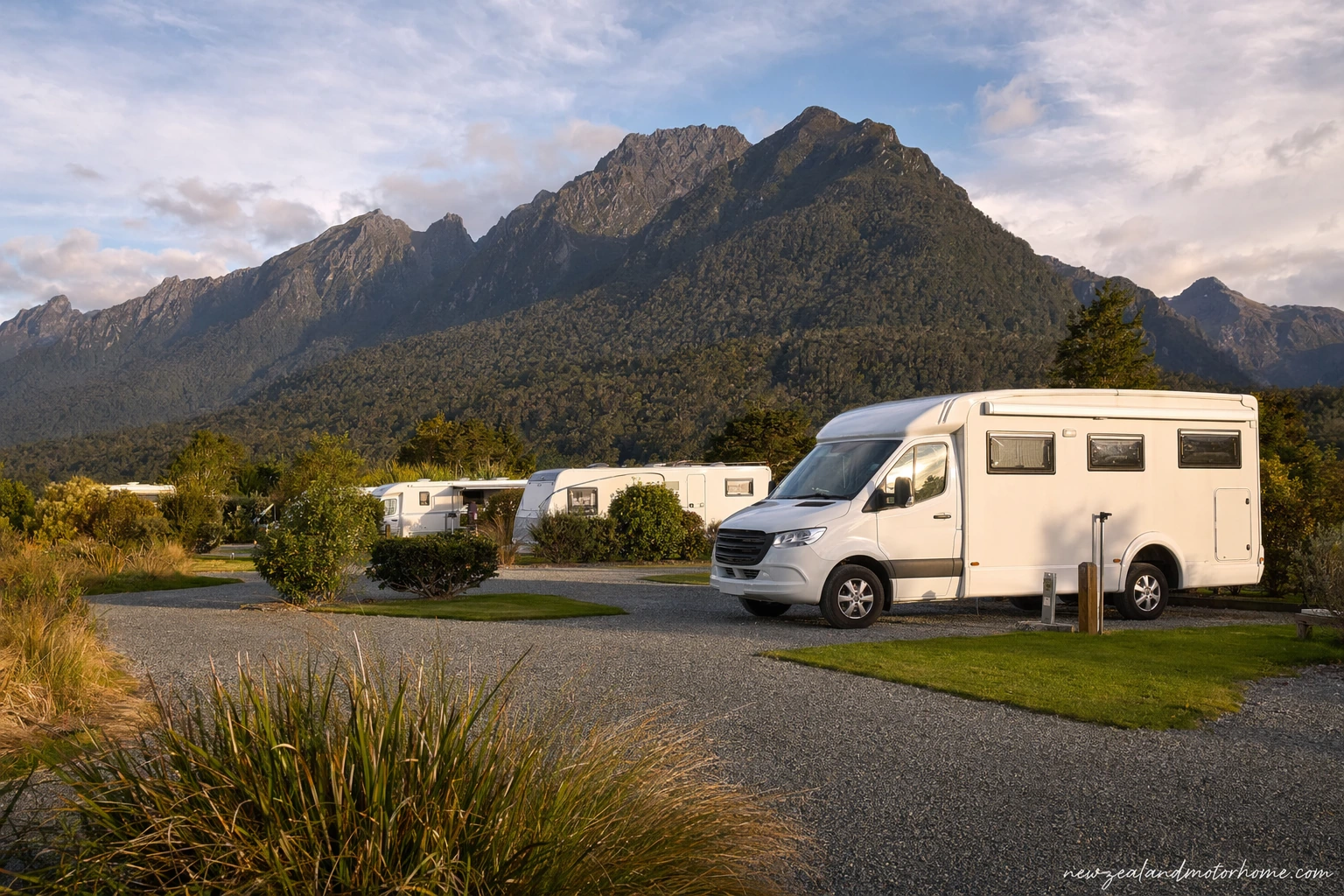
Holiday parks West Coast: campervan bases from Karamea to Haast
- Best pace: 5–8 days
- Powered and unpowered sites
- Book glacier bases in summer
- Self-containment rules apply
- Allow time for wet roads
The West Coast is made for slow campervan travel: wet rainforest one hour, a wild black-sand beach the next, then a glacier valley or mountain pass before dinner. For self-drive travellers, the trick is not finding somewhere beautiful — it is choosing holiday parks west coast-wide that suit your van, your power needs and the distances you actually want to drive.
This guide looks at the spread of campsites West Coast travellers commonly use, from Karamea and Westport down through Punakaiki, Greymouth, Hokitika, Glacier Country and Haast. You’ll find practical notes on powered and unpowered sites, dump stations, water fills, freedom camping rules, road conditions and which overnight base unlocks which part of the Coast.
How the West Coast holiday park network fits together
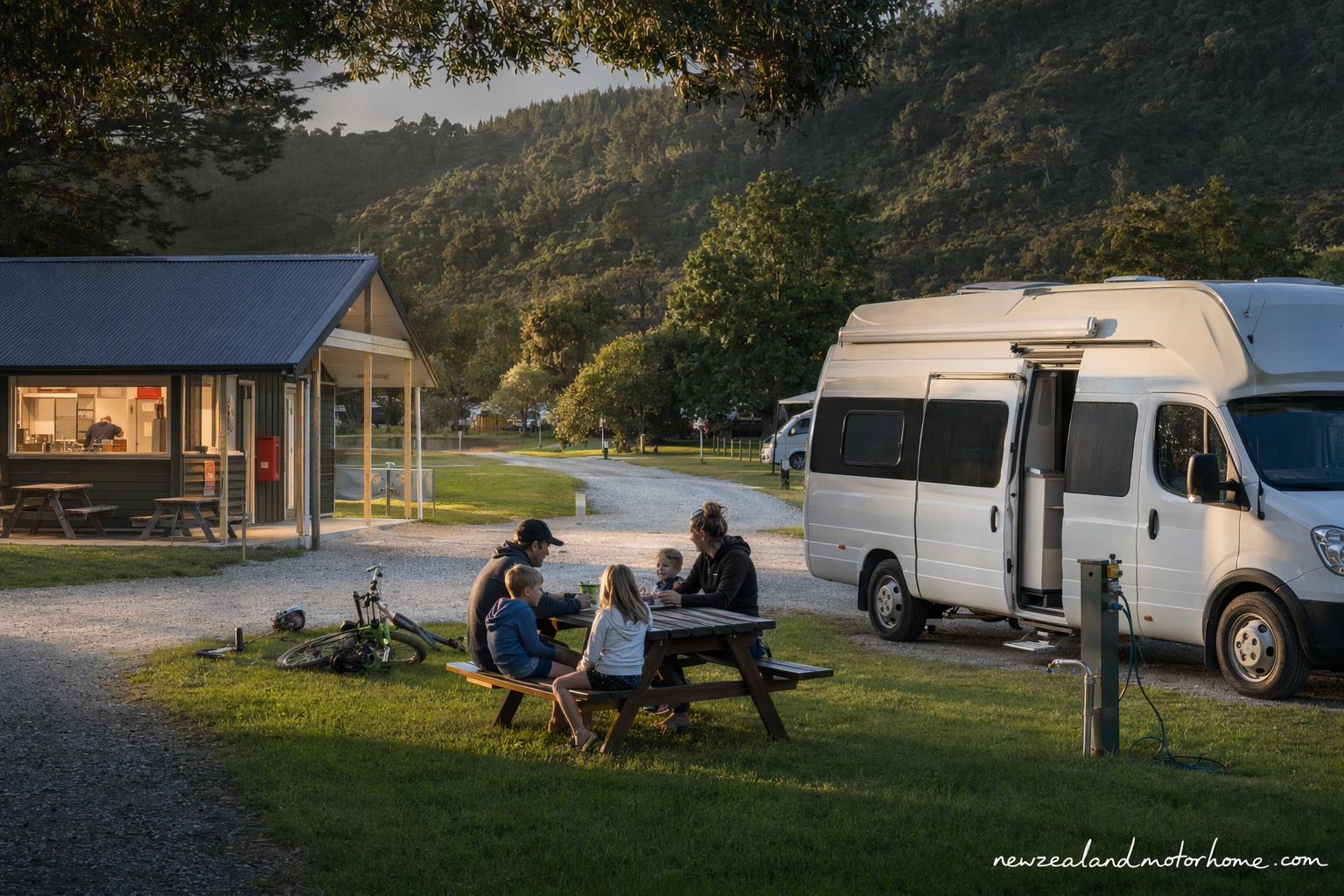
Unlike regions with one big hub, the West Coast works best as a chain of smaller overnight bases. The distances can look modest on a map, but SH6 winds around headlands, crosses single-lane bridges and slows down in rain, so it pays to pick campgrounds West Coast travellers can use as stepping stones rather than trying to push too far in one day.
Most larger settlements have at least one holiday park with powered sites, showers, laundry and access to fresh water. Smaller beach and forest camps may be simpler, with unpowered sites and fewer hardstand options, which is fine in summer but worth thinking about if you are in a heavier motorhome after days of West Coast rain.
- North Coast: Karamea, Westport and Punakaiki suit coast walks, caves, arches and quieter road ends.
- Central Coast: Greymouth and Hokitika are useful service bases for groceries, fuel, dump stations and repairs.
- Glacier Country: Franz Josef/Waiau and Fox Glacier make sense if you want to park up and walk rather than shuttle the van all day.
- South Coast: Haast is a practical last or first Coast stop before the Haast Pass and Wānaka road.
Powered sites, unpowered sites and what to ask before you arrive
Powered sites West Coast holiday parks offer are especially useful outside summer. Rain, cool evenings and short winter days make mains power handy for heating, charging camera batteries and drying damp layers. If you are travelling in a certified self-contained van with good solar and a second battery, an unpowered site can be perfectly comfortable, but do not assume you will get strong sun under West Coast cloud or forest canopy.
When booking, tell the park your vehicle length and whether you need a hardstand or a level grass site. Some parks have roomy motorhome bays, while older coastal campsites may have tighter internal lanes, low branches or softer grass after heavy rain.
- Ask whether the site is suitable for your van length, especially if you are in a 7-metre-plus motorhome.
- Check if fresh water is available on site or only at a shared tap.
- Confirm whether the park has a dump station or whether the nearest public one is in town.
- If you are carrying bikes, surfboards or wet hiking gear, ask about drying rooms or secure storage options.
Best campervan bases and what each one unlocks
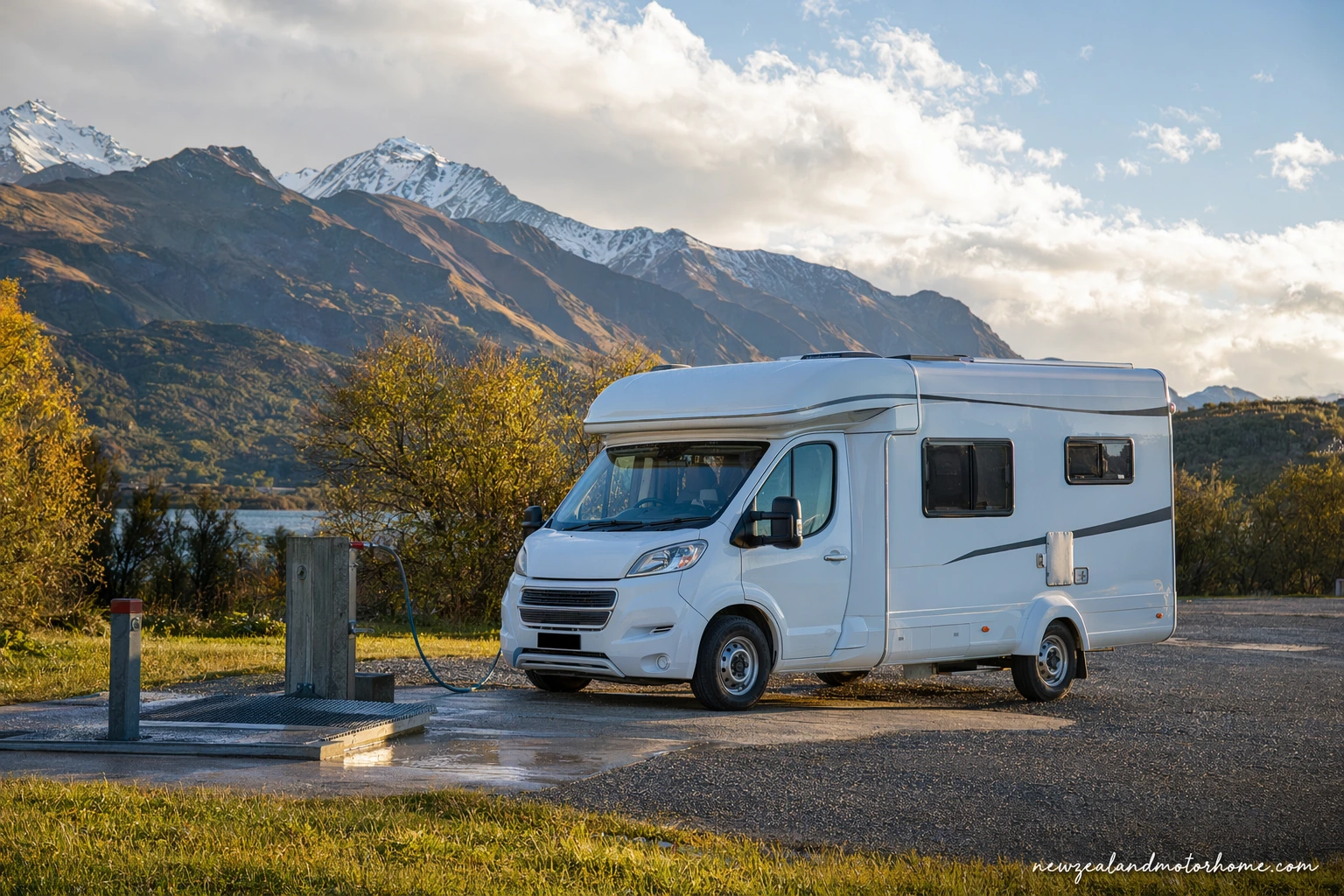
Rather than chasing a generic top 10 holiday park West Coast list, think in terms of what you want to do without constantly moving the van. A good base saves backtracking, lets you arrive before dark and gives you time to use the park facilities properly — especially laundry, dump station access and a proper shower after a wet walk.
Westport is a useful northern service stop, with access to Cape Foulwind, Denniston and the road north towards Karamea. Punakaiki is more scenic and quieter, best if you want to leave the van parked and walk to the Pancake Rocks, beach and rainforest tracks. Greymouth is the easiest central base for stocking up, while Hokitika has a softer pace and works well for the gorge, lake and beach sunset stops.
Further south, Franz Josef/Waiau and Fox Glacier are classic two-night bases. Park the van, plug in if you have a powered site, then use local tracks and shuttles where available rather than squeezing a large motorhome into busy trailhead parking. Haast is more functional than flashy, but it is a sensible overnight before or after the Haast Pass, especially if the weather is closing in.
Freedom camping, DOC camps and staying legal
Freedom camping on the West Coast is not a free-for-all. Rules vary between Buller, Grey and Westland districts, and many beach reserves, town car parks and lake edges have no-camping signs or limits that apply even if your van is self-contained. Always check the current local bylaw and on-site signage before you settle in for the night.
If you plan to mix holiday parks with lower-cost campsites West Coast-wide, make sure your hired campervan has the correct self-containment certification and that everyone in the van uses the onboard toilet and grey-water system properly. Rangers do check, and the Coast’s narrow communities notice when travellers treat scenic lay-bys as overnight bathrooms.
- Use holiday parks when you need power, showers, laundry, WiFi or a reliable dump station.
- Use DOC or council camps only where overnight camping is clearly permitted for your vehicle type.
- Do not camp in scenic pull-offs unless signage specifically allows it.
- Empty grey water and toilets only at approved dump stations, never into roadside drains or bush.
Dump stations, water, LPG and road notes between parks
The West Coast rewards a tidy routine: dump before you are full, fill fresh water before you are low and top up fuel earlier than you would in a city region. Public dump stations are generally found in larger settlements such as Westport, Greymouth, Hokitika, Franz Josef/Waiau and Haast, and many holiday parks also have dump points for guests. Availability can change, so check locally rather than leaving it until the cassette is urgent.
LPG bottle refills or swaps are easier in main towns than in small settlements, and supermarket choices thin out south of Hokitika. Keep an eye on diesel or petrol levels before driving into Karamea, Glacier Country or over Haast Pass, where weather, slips or road works can slow the day down.
Driving-wise, allow extra time on the Coast Road between Westport and Greymouth, on the climb to Karamea, and on SH6 south of the glaciers. Expect one-lane bridges, tight bends, tourist traffic stopping suddenly for views and heavy rain that can reduce visibility fast. If you would like help matching overnight stops to your van size and travel pace, you can use our plan-your-trip step and we’ll help shape it around real driving days.
Common questions
Do I need to book West Coast holiday parks in advance in a campervan?
In summer, school holidays and around long weekends, book powered sites ahead, especially in Punakaiki, Hokitika and Glacier Country. Outside peak periods you may have more flexibility, but arriving before dark is still wise because rain and narrow park lanes make late manoeuvring harder.
Are there enough powered sites on the West Coast for a motorhome trip?
Yes, the main towns and visitor bases generally have powered sites, but supply is not unlimited. If you rely on power for heating, medical devices or charging e-bikes, book those nights rather than assuming a powered bay will be available on arrival.
Can I freedom camp instead of using holiday parks West Coast-wide?
You can only freedom camp where local rules and signage allow it, and your van must meet the required self-containment standard if that is a condition of the site. Many attractive beach, lake and town areas are restricted, so use official information and posted signs, not old app comments alone.
Where should I stop between Westport and the glaciers?
Greymouth or Hokitika make practical halfway bases, with fuel, groceries, water and dump station options close by. Hokitika is a pleasant choice if you want a smaller town feel, while Greymouth is the stronger service stop if the van needs supplies or attention.
Is the West Coast suitable for a large motorhome?
Yes, but drive it as a touring road, not a motorway. Tell holiday parks your vehicle length when booking, take care on one-lane bridges and tight coastal bends, and avoid committing to small beach tracks or soft grass parking after heavy rain.
Have a planner shape this for your dates
Send a short outline — your dates, party size, and the kind of trip you want. A planner replies with a vehicle recommendation, a paced route, and the realistic budget.