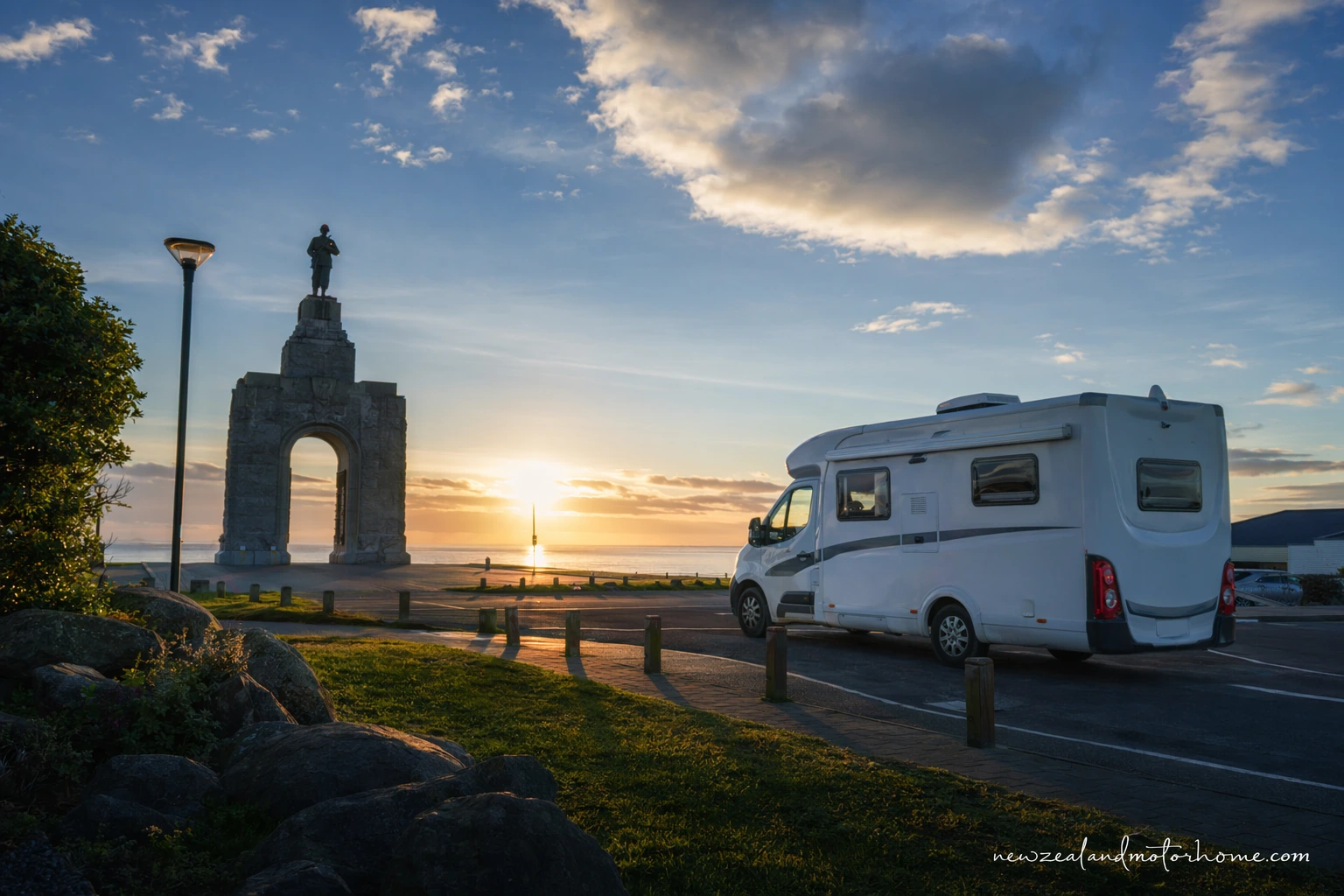
- Best for Southland, Catlins and Fiordland routes
- Powered first night recommended
- Freedom camping only where signed
- Watch wind and coastal side roads
- Check LPG, water and dump points early
Invercargill is a quietly useful place to begin a self-drive campervan trip: flat city streets, quick access to Bluff and the Catlins, and a straight run north towards Te Anau, Queenstown or the West Coast. With campervan hire Invercargill, the first job is not sightseeing — it is getting familiar with the van, stocking the fridge, checking gas and water, and choosing an easy first overnight stop.
This page is written for travellers driving and sleeping in their own hired van. We cover practical depot expectations, where to park while you load, powered versus unpowered sites near the city, freedom camping rules, dump stations, LPG and fresh-water checks, and the main routes out of Southland without trying to squeeze a long first day from the keys.
Where Invercargill campervan pickups usually work
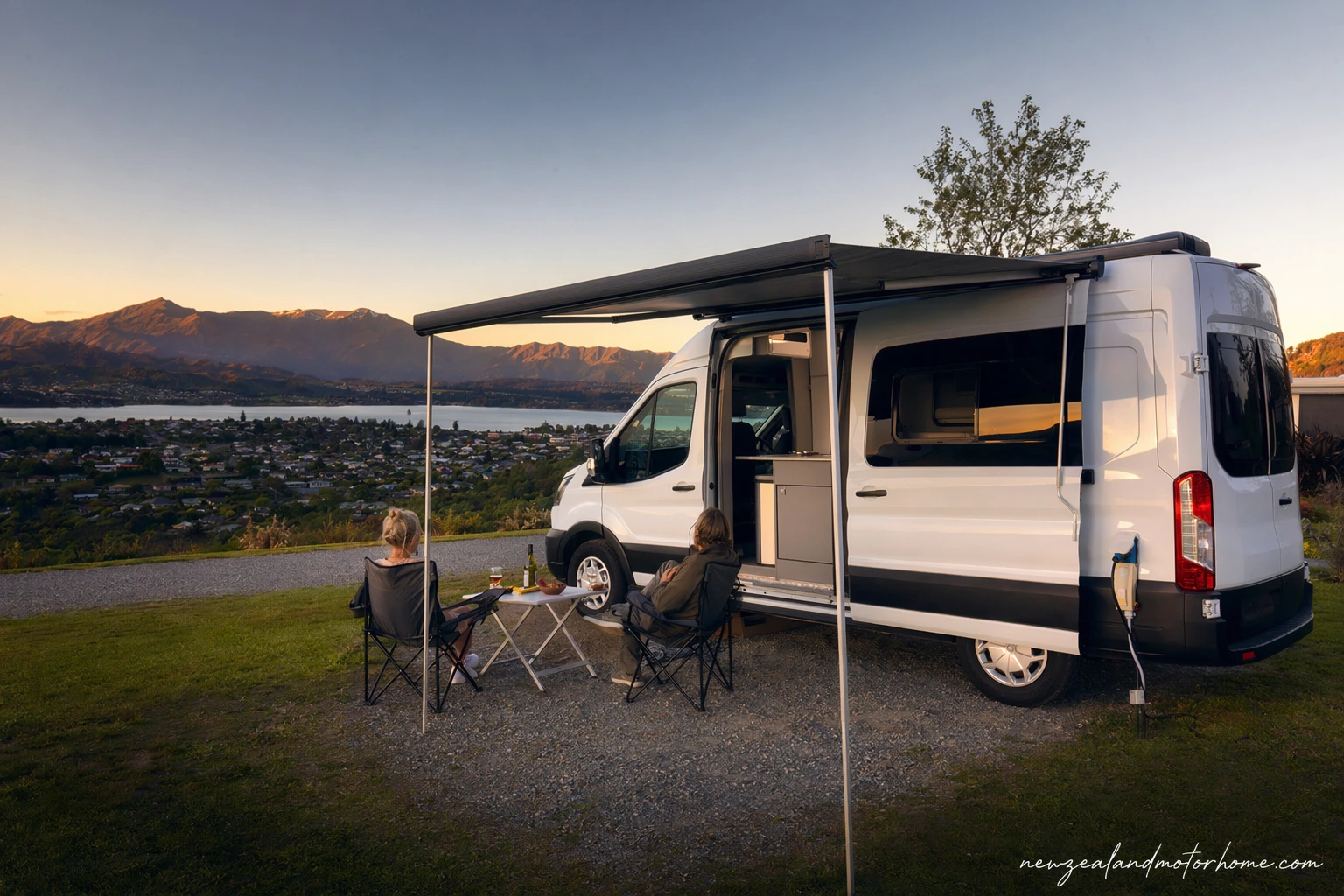
Invercargill is not a sprawling campervan depot city like Auckland or Christchurch. Invercargill campervan hire handovers are commonly arranged around the airport edge, industrial areas, or a pre-confirmed city location rather than a row of large branded forecourts. Allow time for paperwork, a proper walk-through, and a slow first drive before you point the van out of town.
If you are flying in, Invercargill Airport is close to the city, but do not assume you can collect a motorhome kerbside. Ask exactly where the vehicle will be handed over, whether there is space to open all doors and check the equipment, and how the after-hours process works if your flight is delayed.
- Check the van’s certified self-containment label before planning any freedom camping.
- Confirm where the fresh-water hose, grey-water outlet, toilet cassette and LPG bottle are located.
- Take photos of existing marks, tyres, windscreen chips and the roofline before leaving the pickup point.
- Use a supermarket car park only for shopping and loading — not as a campsite.
Getting the van out of Invercargill safely
Invercargill’s grid streets are friendly for a first motorhome drive, but the change from a car to a high-sided camper is still noticeable. Take the first few kilometres slowly, especially at roundabouts, service-station entries and tight retail car parks. Southland wind can be sharp and gusty, so keep both hands on the wheel when you leave the shelter of the city.
The main exits are straightforward: south to Bluff on State Highway 1, west to Riverton and Tuatapere on the Southern Scenic Route, east towards Fortrose and the Catlins, or north via Winton and Lumsden for Te Anau and Queenstown. Longer vans should treat beach access roads, gravel side roads and farm-gate pull-offs with caution, especially after rain.
- Use larger supermarket and fuel-station forecourts where you can drive through rather than reverse out.
- Check height clearance before entering covered parks or older service-station canopies.
- Let faster traffic pass on rural roads; Southland locals know the roads better than a fresh hire driver.
- Keep an eye on fuel range before heading into the Catlins, where services are more spaced out.
First-night stops: keep the handover day simple
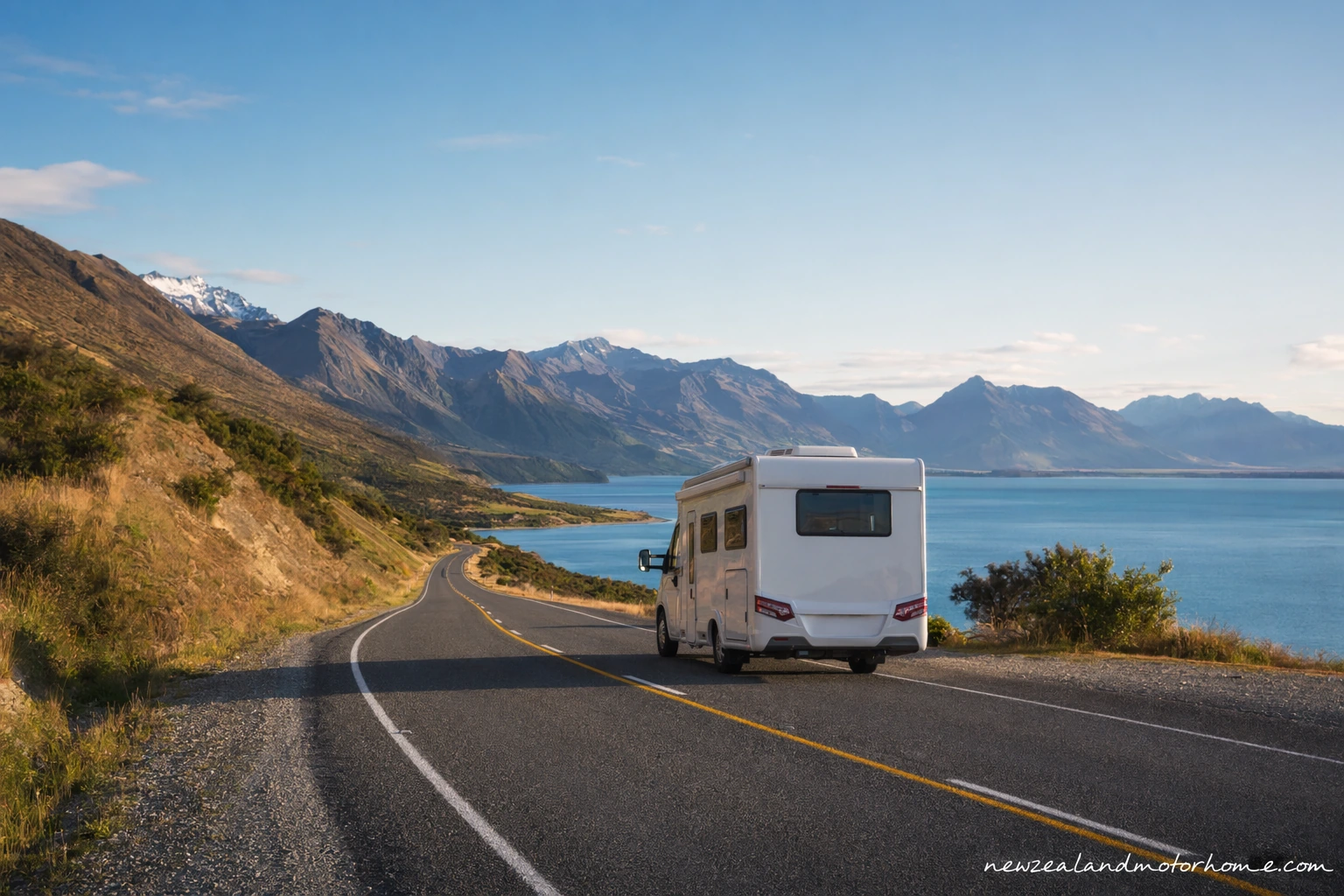
For the first night after campervan rental Invercargill, we usually suggest staying close rather than driving deep into the Catlins or all the way to Milford Sound planning territory. A powered site in or near Invercargill lets you test the heater, plug in the fridge, charge devices, practise levelling the van, and sort the fresh-water and grey-water routine without rushing.
Bluff can work well if you want an early ferry connection to Stewart Island, but remember your campervan normally stays on the mainland. Riverton is a gentle coastal first stop if you are heading west, while a city holiday park suits travellers who arrive late or want a supermarket, laundrette and fuel stop before the open road.
- Powered site: best for the first night, winter travel, long showers, charging and learning the van systems.
- Unpowered site: fine once you understand the battery, water and toilet capacity.
- Freedom camping: only where local signage allows it and only with a compliant certified self-contained vehicle.
- Do not over-plan day one: Southland weather, handover delays and a first grocery shop all take time.
Powered holiday parks, freedom camping and facilities nearby
Invercargill and the wider Southland coast give you a mix of serviced holiday parks and more basic overnight options. Holiday parks are the easier choice at the start of a motorhome hire Invercargill trip because they usually offer powered and unpowered sites, fresh-water taps, toilets, showers, laundry and a dump point or guidance to the nearest one.
Freedom camping around the city, Bluff, Oreti Beach, Riverton and the Catlins is controlled by local council rules and site-specific signs. Do not rely on an old app listing if the sign in front of the van says no overnight camping. Self-containment certification matters, but it does not give permission to stay anywhere you like.
- Plan dump-station stops before the toilet cassette or grey-water tank is full.
- Top up fresh water before heading east into the Catlins or north towards quieter lake roads.
- Check LPG level at pickup; Southland nights can be cool even outside winter.
- Park on firm, legal ground only — soft dunes and beach edges are a common way to get a heavy van stuck.
Routes out of Invercargill in a campervan
Invercargill is a strong starting point if you want the lower South Island without backtracking from a bigger depot city. For a short loop, drive to Bluff, then west to Riverton and Tuatapere before returning through rural Southland. For a coastal route, follow the Southern Scenic Route towards Curio Bay, Waikawa and the Catlins, allowing time for narrow sealed roads, lookout stops and changeable coastal weather.
If your trip is longer, head north through Winton and Lumsden to Te Anau, then choose whether your van itinerary includes Milford Sound day travel, Queenstown, Central Otago or the West Coast. Caravan hire Invercargill searches often come from travellers wanting a slower Southland base, but for touring and overnight flexibility a self-contained campervan or motorhome is usually the more practical fit.
- Bluff and Stewart Island: good early add-on, but arrange secure mainland parking for the van while you cross.
- Catlins: allow short driving days; many stops need careful parking and some side roads are narrow.
- Te Anau: a sensible second or third night if you want Fiordland without a rushed first day.
- Queenstown: possible in a day, but easier after a relaxed stop around Lumsden or Te Anau.
Planning the right van for Southland conditions
The best van for Invercargill is not always the biggest one available. A compact certified self-contained camper is easier in small coastal car parks and gravel pull-offs, while a larger motorhome gives more warmth, storage and indoor comfort if you are travelling in winter or with family. Think about how you will actually camp: holiday parks most nights, or a mix of powered sites and legal freedom camping?
Tell us your dates, passenger numbers, route ideas and whether you prefer powered holiday parks or more independent stops, and we can help shape a practical plan through our trip-planning enquiry. We will keep it grounded in real driving distances, dump-station rhythm, fresh-water needs and Southland weather rather than just drawing lines on a map.
- Choose a certified self-contained vehicle if freedom camping is part of the plan.
- Ask about snow chains or winter driving requirements if heading inland in the colder months.
- Check bed layout, heating and storage before deciding on the cheapest campervan rental.
- Match vehicle length to your route; Catlins viewpoints and rural parking areas can be tight.
Keep planning
Wellington to invercargill campervan
Read onTauranga to invercargill campervan
Read onQueenstown to invercargill campervan
Read onPicton to invercargill campervan
Read onNelson to invercargill campervan
Read onInvercargill to whangarei campervan
Read onCommon questions
Is Invercargill a good place to pick up a campervan?
Yes, especially for Southland, the Catlins, Bluff, Stewart Island connections and Fiordland routes. It is a quieter pickup point than the main international gateways, so confirm depot or handover details early and allow time for a thorough van briefing.
Can I freedom camp near Invercargill after picking up the van?
Only where local signs and council rules allow it, and only if your vehicle is properly certified self-contained. For the first night, a powered holiday park is often easier because you can test the heater, fridge, battery, water and toilet systems.
Where should I stay on the first night of an Invercargill campervan hire trip?
Good first-night options are a serviced holiday park in or near Invercargill, Bluff if you have a Stewart Island ferry connection, or Riverton if you are heading west. Avoid making the first day too long, as handover, groceries and learning the van take longer than expected.
Are there dump stations and fresh-water points in Southland?
Yes, but spacing becomes more important once you leave the city and main towns. Plan to empty grey water and the toilet cassette before driving into quieter coastal areas, and top up fresh water whenever you are using a serviced holiday park or approved facility.
What roads should I watch in a motorhome from Invercargill?
The main highways are generally straightforward, but wind, narrow coastal roads and gravel side roads deserve respect. Take extra care around the Catlins, beach access tracks, tight viewpoints and any place where a long van would need to reverse.
Do I need a big motorhome or a smaller campervan for Southland?
A smaller certified self-contained camper is easier to park and manoeuvre on coastal side roads. A larger motorhome suits colder months, longer trips and travellers who want more indoor space, but check height, length and parking comfort before booking.
Have a planner shape this for your dates
Send a short outline — your dates, party size, and the kind of trip you want. A planner replies with a vehicle recommendation, a paced route, and the realistic budget.